
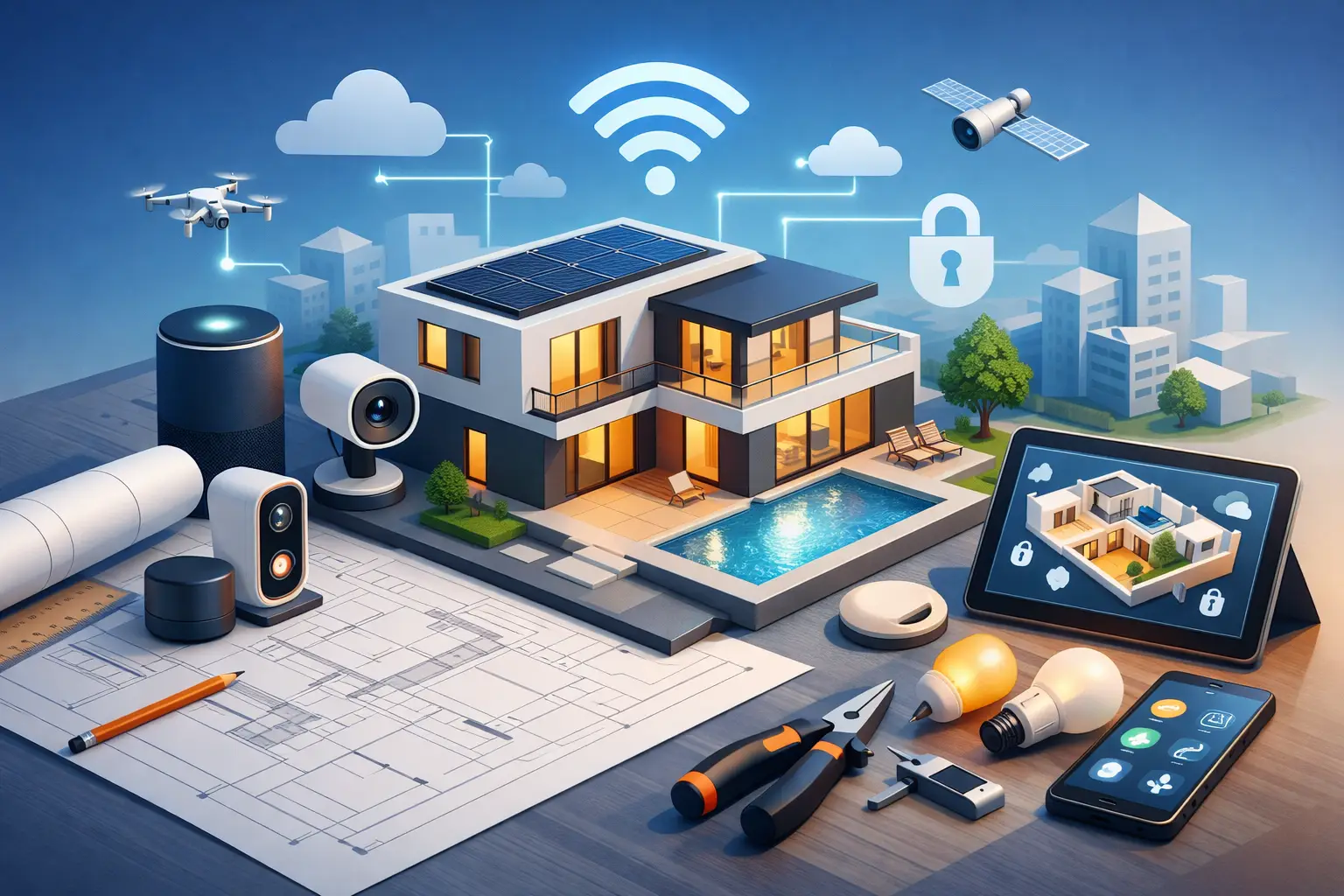
A smart home installation UAE property owners will enjoy for years is decided long before the first switch, sensor, or touchscreen is fitted. In a Dubai villa, penthouse, office, or hospitality property, automation must work around the way people actually live, host, work, and manage the space. The goal is not more devices. It is one intelligent system that makes comfort, security, and daily control feel simple.
A well-designed installation can bring lighting, AC control, curtains, CCTV, access control, smart locks, audio, and entertainment into a single platform. But the right solution depends on the property, its construction stage, the number of users, and the level of control required. Planning these details early protects both the finish of the property and the long-term performance of the system.
Start With How the Property Will Be Used
The first question is not which brand of smart switch to choose. It is how the property needs to operate on an ordinary day and during exceptional moments.
A family villa may need easy scene control at the entrance, climate settings for bedrooms, perimeter security, gate access, and outdoor entertainment control. A penthouse may prioritize discreet keypads, motorized curtains, premium audio, and remote access while the owner is abroad. A hotel, restaurant, or office needs dependable centralized management, controlled user permissions, and systems that reduce repetitive operational tasks.
This is why a site consultation matters. A professional integrator studies room layouts, electrical points, Wi-Fi coverage, equipment locations, daylight conditions, and the existing mechanical systems. The result should be a design tailored to the property rather than a collection of standalone products that happen to use the same phone.
Choose What Should Be Connected
Smart automation works best when the systems selected have a clear purpose. Lighting and climate are often the foundation because they affect everyday comfort and energy use. Security and access control add visibility and confidence. Curtains, audio, and entertainment bring a more refined living experience when they are designed into the same control environment.
For many UAE properties, these are the most valuable starting points:
- Lighting control for dimming, room scenes, scheduled exterior lighting, and an all-off command when leaving the property.
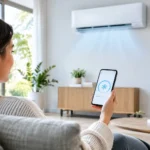
- Climate control for managing AC zones, setting schedules, and preventing rooms from being cooled unnecessarily.
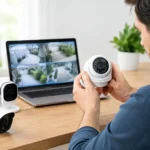
- Security and access for CCTV viewing, video intercoms, gate controls, smart locks, and alerts from selected sensors.
- Curtains, audio, and entertainment for convenient privacy, mood settings, multi-room music, and simplified media control.
Not every room needs every feature. A guest bedroom may only need lighting, AC, and curtains, while a majlis, cinema room, or executive boardroom may require more detailed scenes and audiovisual control. The right scope balances the desired experience with future needs and budget.
Wired or Wireless: Make the Decision Early
The choice between wired and wireless automation is one of the most important decisions in a smart home installation UAE project. Neither approach is automatically better. The right architecture depends on whether the property is under construction, undergoing renovation, or already occupied.
A wired system is often ideal for new villas, large renovations, luxury residences, hotels, and commercial projects. It allows control cabling to be planned alongside electrical and low-voltage infrastructure, creating a reliable foundation for a larger installation. It can also make it easier to expand the system later without relying on battery-powered devices or separate wireless networks.
Wireless automation can be an excellent solution for completed apartments, occupied villas, and targeted upgrades where opening walls is not practical. High-quality wireless products can control lighting, curtains, sensors, and other functions with minimal disruption. However, device placement, network design, battery maintenance where applicable, and compatibility must be considered carefully.
In some properties, a hybrid design is the most sensible answer. Core systems may be wired, while selected wireless devices extend automation to areas where new cabling would affect the finished interior. A professional design should explain these trade-offs clearly before installation begins.
Design Controls That Feel Natural
A central app is valuable, especially for remote control and notifications. It should not be the only way to operate the home or business. Guests, children, staff, and visiting family members should be able to control essential functions without searching for a phone or learning a complicated interface.
Wall keypads, elegant smart switches, handheld remotes, touchscreens, voice commands, and occupancy sensors all have a role. The best control method depends on the task. A bedside keypad may turn off lights, close curtains, and adjust the room scene. A wall control near the main entrance can activate an away setting. A manager in a restaurant may use a tablet to adjust music, lighting, and selected climate zones before service.
Scenes are where automation becomes genuinely useful. Instead of controlling several devices one at a time, one command can set the property for a specific moment. “Good Morning” can raise curtains, adjust bedroom lighting, and return AC to the preferred temperature. “Away” can switch off selected lights, close curtains, and arm designated security functions. The scenes should reflect real routines, not generic labels added for show.
Plan for Security, Privacy, and Reliable Access
Security is more than adding cameras. A complete approach can combine CCTV, video intercoms, gate or door access, smart locks, door contacts, motion detection, and remote alerts. The appropriate level of monitoring depends on the property and who needs access.
For a villa, the owner may want to see visitors at the gate, issue controlled access to household staff, and receive alerts when a perimeter door opens unexpectedly. For a commercial site, management may need access logs, controlled zones for staff, and camera coverage for key operational areas. In hospitality, access needs to support guests and staff without creating unnecessary friction.
Privacy deserves the same attention. Camera locations, user accounts, administrator permissions, and remote access policies should be agreed upon during design. Security systems should support the people who use the property without exposing sensitive controls to every user.
Do Not Treat Wi-Fi as an Afterthought
Many automation frustrations are actually network problems. A premium property can have impressive finishes and powerful smart devices, yet still suffer from poor performance if Wi-Fi coverage, network segmentation, and equipment placement were not designed properly.
A professional installation assesses where wireless access points, network cabinets, controllers, and audiovisual equipment should sit. Thick walls, large floor plans, outdoor areas, service quarters, and basements can all affect coverage. CCTV and streaming systems also place different demands on a network than basic browsing.
For larger homes and commercial sites, separating automation, security, guest, and business networks can improve control and reduce avoidable risk. This is not about making the system complicated. It is about creating a stable technical foundation so the user experience remains straightforward.
Follow a Clear Installation Process
The quality of the project is often visible in the process as much as the equipment. A structured approach reduces surprises, protects interior finishes, and ensures every feature is tested before handover.
The project should begin with a consultation and site assessment, followed by a clear quotation and system design. Once approved, installation should be coordinated with the electrician, interior designer, contractor, and other relevant trades. Equipment is then installed, programmed, labeled, and tested across the full property.
Handover is not a formality. The homeowner, facilities team, or manager should receive practical guidance on daily controls, app access, user permissions, basic troubleshooting, and support channels. This matters especially when several household members, tenants, or staff need different levels of access.
Esmartech manages this full process, from tailored design and clean installation to programming, testing, and user guidance at handover. That single point of accountability is particularly valuable when multiple systems must work together across a high-value property.
Build for the Next Stage of the Property
A smart system should not force every decision on day one. You may want lighting and AC control now, then add motorized curtains, multi-room audio, EV charging management, additional cameras, or advanced energy monitoring later. Planning for future expansion can be more cost-effective than rebuilding parts of the installation after the interiors are complete.
Ask whether the selected platform can support additional rooms, devices, users, and integrations. Consider spare capacity in control panels, cable routes during construction, and the practical availability of support and replacement equipment in the UAE. Established technology platforms and professional programming make upgrades more predictable than consumer devices assembled one by one.
The most successful automated properties do not feel like technology demonstrations. They feel organized, secure, and comfortable from the first morning to the last person leaving at night. Begin with the routines that matter most to your property, then let the system grow thoughtfully around them.
Leave a comment