
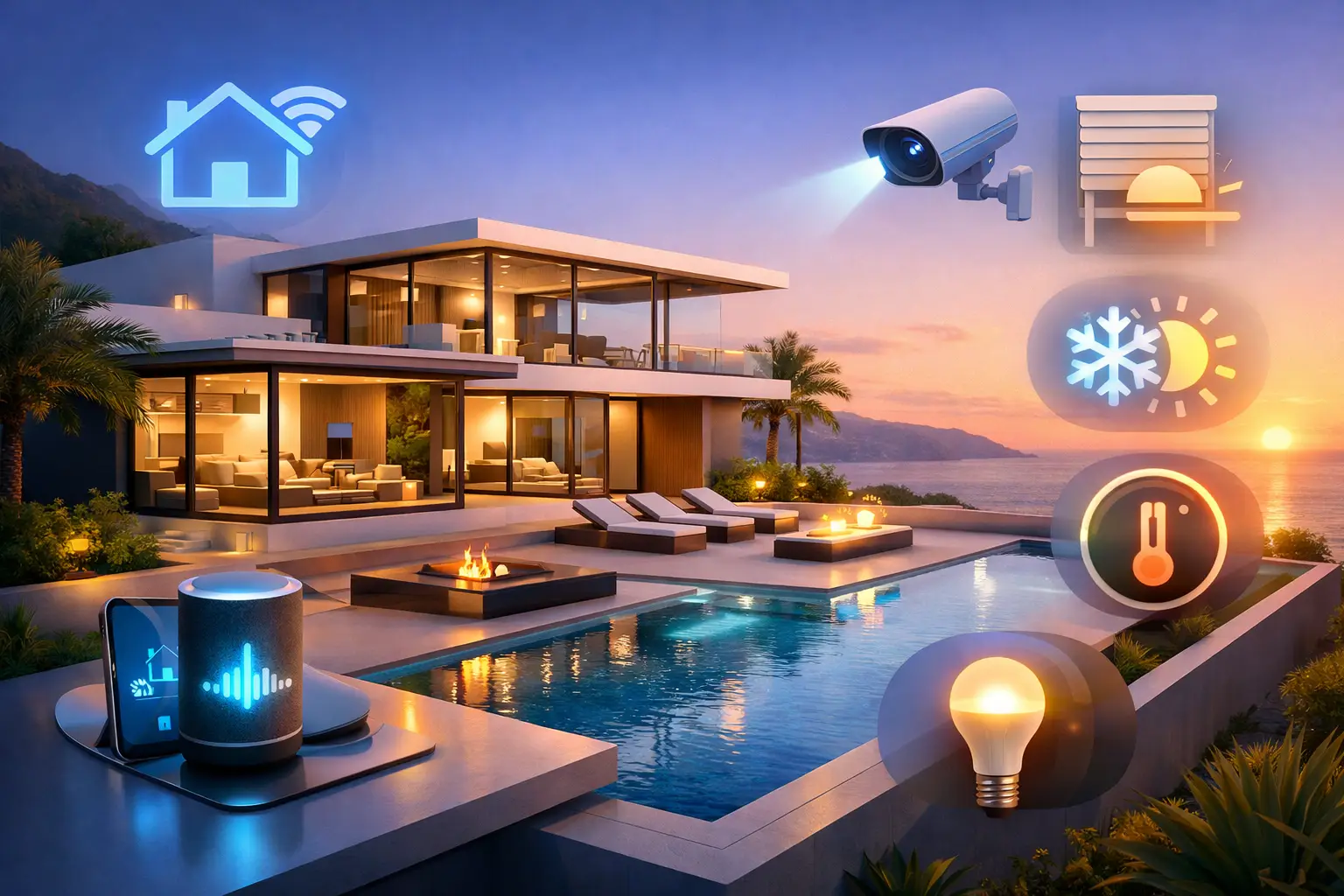
A villa can have beautiful finishes, expansive glazing, and carefully selected furnishings, yet still feel complicated to live in when every room has separate remotes, switches, apps, and controls. Luxury villa automation systems replace that friction with one intelligent system tailored to the way the household actually uses the property.
The result is not technology for its own sake. It is a home that prepares for an evening arrival, lowers curtains when the afternoon sun intensifies, maintains comfortable temperatures across different zones, and keeps security visible whether the owner is at home or away. For villa owners and developers, the best systems make a substantial property feel more personal, controlled, and straightforward to manage.
What luxury villa automation systems should control
A professionally designed system brings together the functions that affect comfort, security, and daily operation. Instead of asking residents to learn a different interface for every device, it provides familiar wall keypads, a centralized app, voice control where appropriate, and automated scenes.
Lighting is often the starting point because it changes both atmosphere and energy use. A single scene can set architectural lighting, accent fixtures, garden lighting, and pathway illumination to suit entertaining, dining, relaxation, or bedtime. Dimming, scheduling, and occupancy sensing help the home respond naturally without covering the walls with switches.
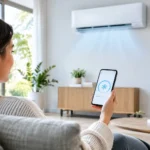
Climate control deserves equal attention in the UAE. Large villas commonly have rooms with very different heat loads due to glazing, orientation, ceiling height, and occupancy. Intelligent climate zoning gives each area more precise control while allowing owners to set schedules and remote adjustments from one platform. It can also reduce unnecessary cooling in guest rooms, service areas, or zones that are temporarily unoccupied.
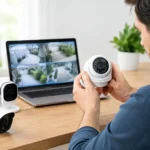
Security should be designed as part of the same experience, not added as an isolated package. CCTV, video intercoms, smart locks, gate access, door sensors, motion detection, and alerts can work together. When a visitor arrives, an owner can see who is at the gate, speak with them, and grant access from an indoor panel or approved mobile device. That level of visibility is particularly valuable for vacant properties, second homes, and villas with household staff.
Entertainment, motorized curtains, audio, smart sockets, pool-area controls, and selected appliances can also be included. The right scope depends on how the villa is used. A family home may prioritize bedroom climate, safety alerts, and simple everyday scenes. A property used for hosting may place more emphasis on entertainment zones, outdoor lighting, and arrival settings.
The real value is in the system design
Premium automation is not defined by the number of devices connected to an app. It is defined by whether the underlying design is clear, dependable, and easy for every member of the household to use.
That begins with a room-by-room review. The design team should understand where residents enter the property, how they move between indoor and outdoor spaces, which rooms are occupied at different times, and where privacy or security needs are highest. A formal living room, for example, may need a welcoming scene and discreet climate management but little daily interaction. A primary suite may need bedside control for lighting, curtains, temperature, and perimeter security in one place.
Well-planned scenes are where separate systems become useful as one. An “Away” scene might switch off selected lights, adjust air conditioning to an energy-conscious setting, close curtains, arm security areas, and send a confirmation to the owner. A “Good Night” scene can close curtains, turn off public-area lighting, maintain low-level path lighting, and secure access points. These controls should still allow manual adjustment. Automation needs to support the household, not force it into a rigid routine.
A luxury villa should also retain practical local control. Phones are useful, particularly for remote monitoring, but a homeowner should not need to search for an app just to dim the lights or raise a curtain. Elegant keypads, touch panels, and clearly programmed controls make the experience faster for residents, guests, and staff.
Wired or wireless: choosing the right architecture
The decision between wired and wireless automation is best made early, especially for a new build or major renovation. Neither approach is automatically better in every villa.
A wired system is usually the preferred foundation when walls and ceilings are open. It gives a clean, permanent infrastructure for controls, lighting, security devices, and integrated equipment. It can be especially beneficial in large villas with many zones, high device counts, guesthouses, outdoor areas, and extensive entertainment requirements. Planning cable routes, equipment locations, network coverage, and backup power during construction avoids disruptive changes later.
Wireless solutions can be highly effective for completed villas, targeted upgrades, and spaces where running new cabling would affect finished interiors. They can add smart lighting, curtain control, sensors, selected climate functions, and security features with less construction work. The trade-off is that wireless design still requires professional planning around signal coverage, device placement, battery maintenance where relevant, and compatibility between systems.
Many properties benefit from a hybrid approach. Core infrastructure and high-priority systems can be wired, while wireless devices extend control into areas that are difficult to modify. The goal is not to select a fashionable protocol. It is to choose an architecture that fits the property, budget, and long-term operating requirements.
Security and privacy require more than a camera app
A villa security system must be convenient enough to use consistently and controlled enough to protect privacy. That means defining who has access to cameras, gates, doors, settings, and alerts. Owners may need full access, while household staff might receive permission for specific gates, doors, or schedules only.
Network design is part of this conversation. Cameras, intercoms, automation controllers, entertainment equipment, and personal devices all place demands on the property network. A professional installation considers coverage, equipment placement, secure configuration, and dependable performance before the villa is handed over.
Remote access should be purposeful. It is valuable to receive an alert from a door sensor or check a gate camera while traveling. It is less valuable when notifications are so frequent that residents begin ignoring them. Thoughtful programming distinguishes between routine activity and events that genuinely need attention.
A project process that protects the finish quality
Luxury automation projects involve more than selecting products. They require coordination with interior designers, MEP contractors, electricians, joinery teams, lighting specialists, and security installers. Poor coordination can lead to cluttered switch plates, misplaced sensors, inaccessible equipment, visible cabling, or systems that are difficult to service after handover.
A disciplined process starts with an on-site consultation and a clear discussion of priorities. The next stage should translate those requirements into a system design and quotation that identifies what will be controlled, where interfaces will be located, and how the installation will be delivered. During installation, equipment should be fitted cleanly and programmed around the approved use cases.
Testing is where quality becomes visible. Every scene, keypad, curtain track, climate zone, camera view, alert, and access permission should be checked before the owner takes possession. Handover should include practical user guidance, not a rushed demonstration. Residents need to know how to make simple adjustments, while the integrator remains responsible for technical support and future refinements.
Esmartech approaches villa projects as turnkey integrations, managing consultation, design, installation, testing, and handover so owners have one accountable specialist throughout the process.
Plan for change without overbuilding
A well-designed system should allow a villa to evolve. New outdoor zones, additional cameras, a renovated wing, upgraded audio, or changing family routines may all affect the automation plan over time. Choosing established technologies and leaving sensible capacity for expansion can protect the investment.
At the same time, not every feature needs to be installed on day one. A focused first phase may cover lighting, climate, curtains, security, and network infrastructure, with entertainment or guesthouse controls added later. This approach can be smarter than purchasing devices that do not match a real lifestyle requirement.
The best starting point is to walk through the villa as if you were arriving after a long flight, hosting friends outdoors, settling children for the night, or leaving the property empty for several weeks. Those moments reveal what the home should do for you. From there, the right automation system becomes a considered part of the villa itself: quiet in the background, simple to control, and ready when it matters.
Leave a comment