
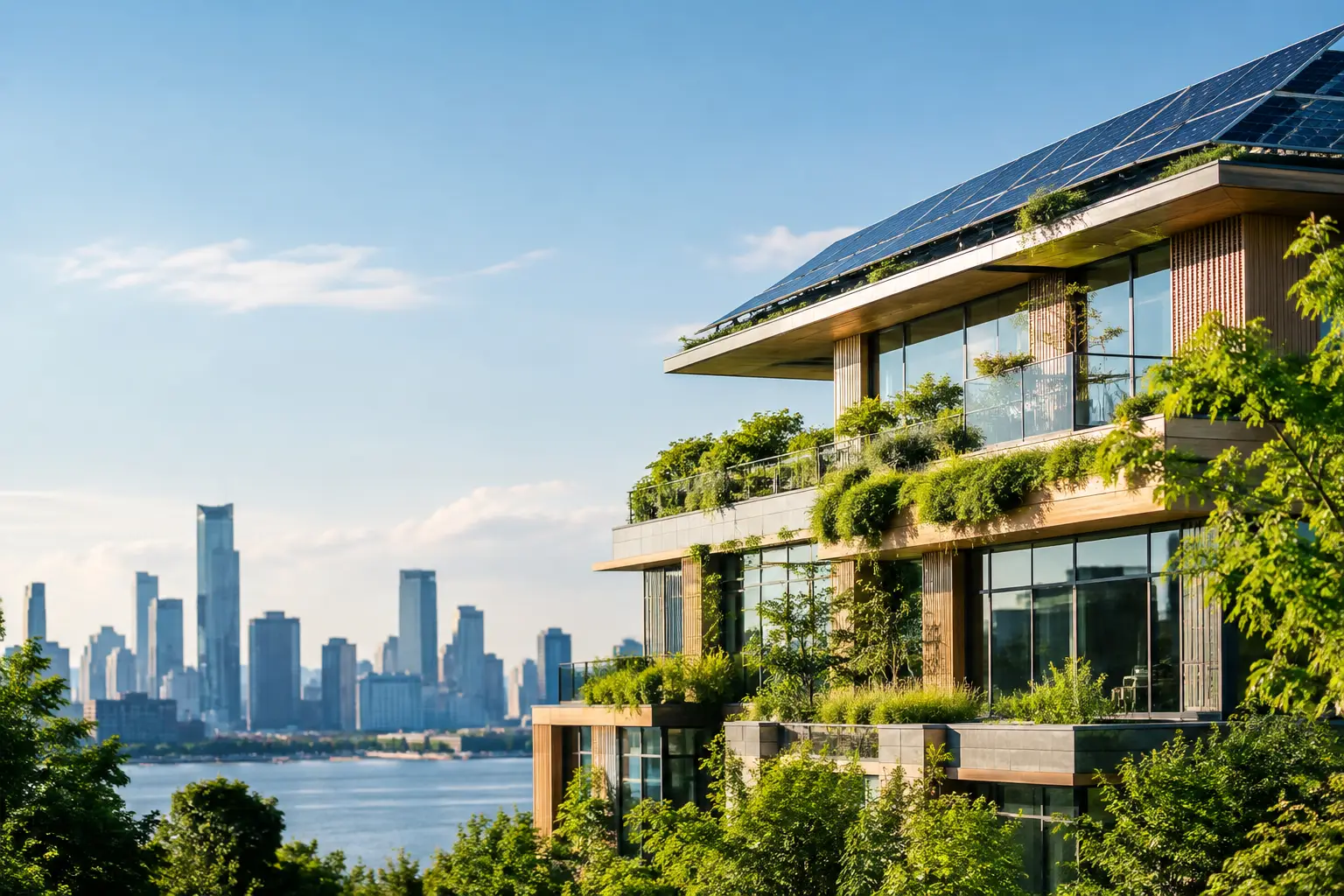
A luxury villa can have premium finishes, expansive glazing, and powerful air conditioning, yet still waste energy every hour of the day. The difference is often not the equipment itself, but how the property responds to heat, occupancy, daylight, and the habits of the people inside it. Sustainable buildings address this gap by bringing thoughtful design, efficient systems, and intelligent control into one practical strategy.
For homeowners, developers, and hospitality operators, sustainability is no longer limited to adding solar panels or selecting a low-energy appliance. It is about creating a property that is comfortable to occupy, economical to operate, resilient over time, and easier to manage without compromising the standard of living or guest experience.
What Makes a Building Truly Sustainable?
A sustainable building uses less energy and fewer resources while supporting the health, comfort, and daily needs of its occupants. That definition sounds simple, but the strongest results come from considering the full property rather than treating each system as a separate purchase.
The building envelope is the starting point. Insulation, glazing, shading, air sealing, and material selection determine how much outdoor heat enters the property and how hard its cooling systems must work. In hot climates such as Dubai, shading and solar control can have a direct effect on cooling demand, especially in villas, penthouses, restaurants, and glass-fronted commercial spaces.
Efficient mechanical systems matter just as much. Air conditioning should be correctly sized, professionally commissioned, and divided into zones that reflect how the property is actually used. Cooling an unoccupied guest room, formal living area, or meeting room to the same temperature as an occupied space is an avoidable operating cost.
The final layer is intelligence. Automation connects lighting, climate, curtains, sensors, and access information so the building can respond appropriately instead of relying on manual intervention. This is where sustainability becomes practical rather than performative.
Sustainable Buildings Need Intelligent Control
A well-designed automation system does not ask occupants to constantly think about saving energy. It reduces waste in the background while keeping the space comfortable and easy to use.
Consider a villa where curtains automatically close during the hottest part of the afternoon, reducing solar gain before rooms become uncomfortable. Climate settings can then maintain the preferred temperature with less strain on the air conditioning system. When the family leaves, an away setting can adjust cooling, turn off selected lighting, close motorized shades, and confirm that doors are secured from one central interface.
In a hotel or serviced apartment, the same principle can be applied at a larger scale. Occupancy status can guide lighting and climate operation in guest rooms, while reception or facilities teams retain appropriate oversight. In offices, meeting rooms can operate according to booking schedules and occupancy sensors instead of running at full capacity throughout the working day.
This does not mean every system should be fully automatic. A property should still feel responsive to the people using it. The right design provides smart defaults and clear override options, allowing homeowners, guests, and staff to make immediate adjustments without working through a complicated app or wall of switches.
The Systems That Deliver Measurable Results
The best energy strategy depends on the building type, operating hours, and existing infrastructure. Still, several integrated systems consistently create meaningful savings and better control:
- Smart climate zoning allows each room or area to operate based on occupancy, time schedules, and temperature requirements.
- Automated curtains and blinds manage daylight and solar heat while protecting furnishings from prolonged sun exposure.
- Lighting scenes, dimming, and occupancy sensors reduce unnecessary consumption without making spaces feel underlit.
- Energy monitoring reveals where consumption is highest, helping owners identify unusual loads, inefficient equipment, or wasteful routines.
- Centralized control makes it easier to manage multiple systems from a single app, wall keypad, or voice-enabled interface.
The value is not only in switching devices off. Proper automation can prevent systems from working against one another. For example, cooling output should not rise while curtains are open to direct afternoon sun and lights are operating at full brightness in an empty room.
Comfort Is Part of the Sustainability Equation
Energy efficiency is often discussed as a sacrifice. In a well-planned property, it should be the opposite. A comfortable building is less likely to be overcooled, overheated, or operated inefficiently to compensate for poor design decisions.
Thermal comfort depends on more than the thermostat number. Direct sunlight, humidity, air movement, room occupancy, and the temperature of surrounding surfaces all affect how a space feels. This is why a single thermostat controlling an entire large villa or hospitality venue rarely provides the best result.
Zoned control creates a more refined experience. Bedrooms can follow evening schedules, living spaces can prepare for family use, and seldom-used rooms can remain in an energy-conscious mode until needed. In commercial properties, different operating patterns can be set for public areas, staff rooms, executive offices, and back-of-house spaces.
Lighting deserves the same attention. Brightness should match the task and atmosphere, not remain fixed at one level all day. Dimming, scene control, and daylight-responsive lighting can improve visual comfort while reducing unnecessary power use. For a restaurant or hotel, this also protects the ambiance that guests notice immediately.
Design for the Property You Have, Not an Idealized One
New construction offers the widest opportunity to coordinate sustainable design from the beginning. Wiring routes, equipment locations, window treatments, sensor placement, and control panels can all be planned before finishes are completed. This typically produces a cleaner installation and greater flexibility for future upgrades.
Existing properties can still improve significantly. Wireless controls, smart thermostats, motorized curtain solutions, and selected sensors can add intelligence without extensive renovation. The trade-off is that retrofit projects may have limitations around concealed wiring, legacy HVAC equipment, or the control compatibility of existing systems.
That is why site assessment matters. A premium solution is not automatically the most sustainable solution if it is difficult to use, unsupported by the property infrastructure, or excessive for the owner’s needs. The correct system should be tailored to the building’s size, daily routines, technical condition, and long-term plans.
For property investors, scalability is particularly important. A system that begins with climate control and lighting should be able to expand later to include access control, CCTV, smart locks, entertainment, or additional energy monitoring. Planning for this flexibility avoids unnecessary replacement work as a property evolves.
How to Plan a Sustainable Building Project
The most successful projects begin before products are selected. First, identify the property’s highest energy loads and the spaces where comfort complaints or operating inefficiencies occur. In many UAE properties, air conditioning, solar heat gain, and lighting schedules are immediate priorities.
Next, define how each area is used. A family villa, a short-term rental apartment, a boutique hotel, and a corporate office may all have similar equipment, but they require very different control logic. Occupancy patterns, guest access, staff responsibilities, and privacy needs should guide the system design.
Then choose technology that can communicate reliably. Wired systems are often preferred for major construction and high-value properties because they offer long-term stability and extensive integration options. Wireless solutions can be highly effective for retrofits or targeted upgrades. The choice depends on the site, not a one-size-fits-all preference.
Finally, allow time for programming, testing, and user guidance. Automation only delivers value when scenes, schedules, and controls reflect real use. Professional handover should include clear instructions for homeowners or staff, along with support for adjustments after the property is occupied.
Esmartech approaches this through a clear process of consultation, system design and quotation, installation and testing, then handover and user guidance. One accountable team helps ensure the technology works as one intelligent system rather than a collection of disconnected devices.
The Long-Term Value Beyond Utility Bills
Lower consumption is a compelling reason to invest in sustainable design, but it is not the only one. Efficient buildings can have lower operating complexity, better occupant comfort, and stronger appeal to tenants, buyers, guests, and investors. For hospitality and commercial operators, centralized oversight can also reduce the burden on staff while making maintenance issues easier to identify.
There are real trade-offs. Advanced controls require careful commissioning, quality equipment, and a support plan. A poorly designed automated system can frustrate users and undermine the very savings it was meant to deliver. The goal is not to automate everything. It is to automate the decisions that are repetitive, wasteful, or easy to miss.
A sustainable property should feel calm, controlled, and ready for the people who use it. When efficient design and intelligent automation are planned together, sustainability becomes less about asking occupants to do more and more about giving the building the ability to perform better every day.

Leave a comment