
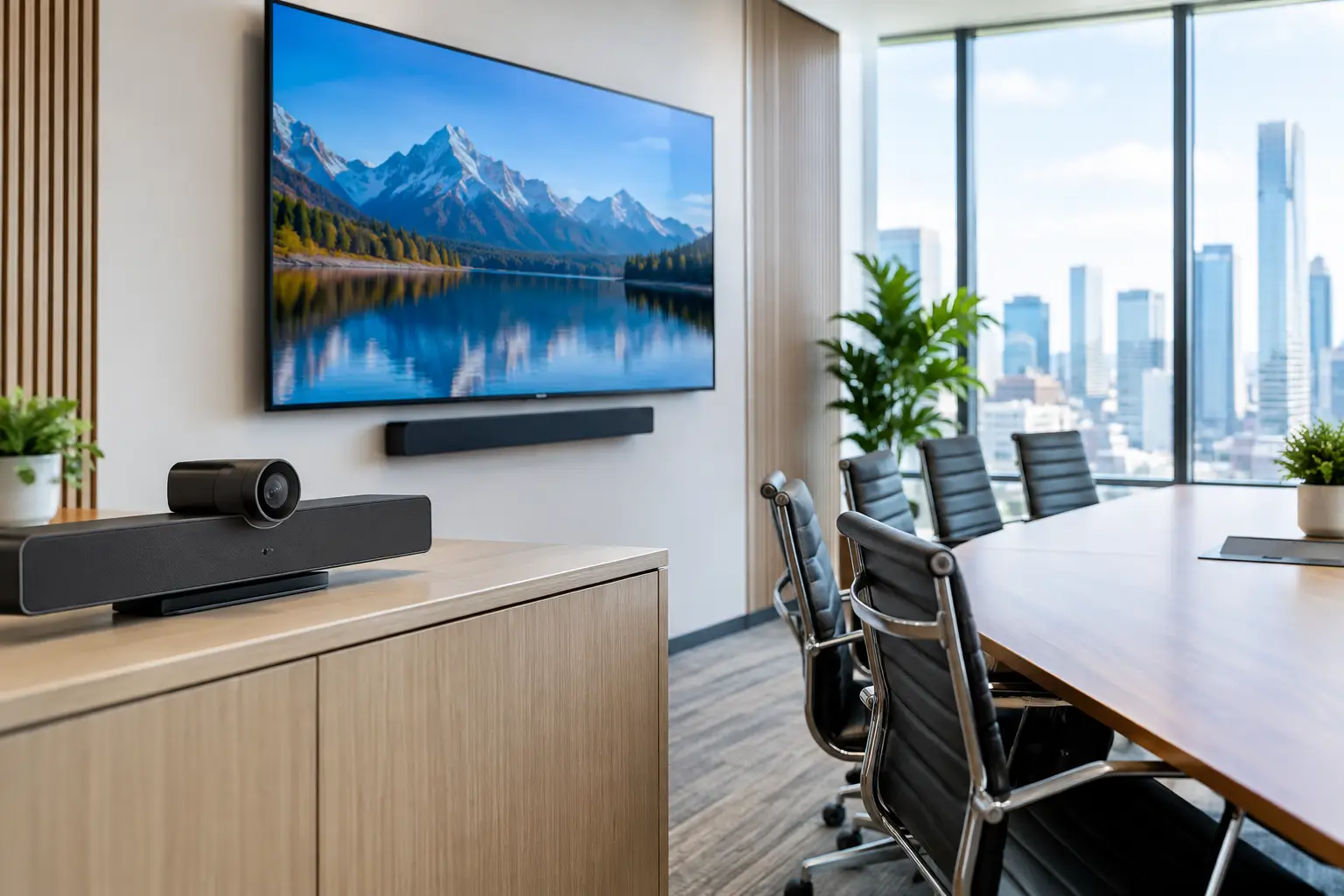
Commercial AV integration helps businesses create smarter, more connected, and efficient spaces. In Dubai, modern offices, meeting rooms, hotels, and commercial properties benefit from integrated audio systems, video conferencing, centralized controls, and intelligent automation. A well-designed AV solution improves communication, simplifies daily operations, and creates a better experience for employees and visitors.
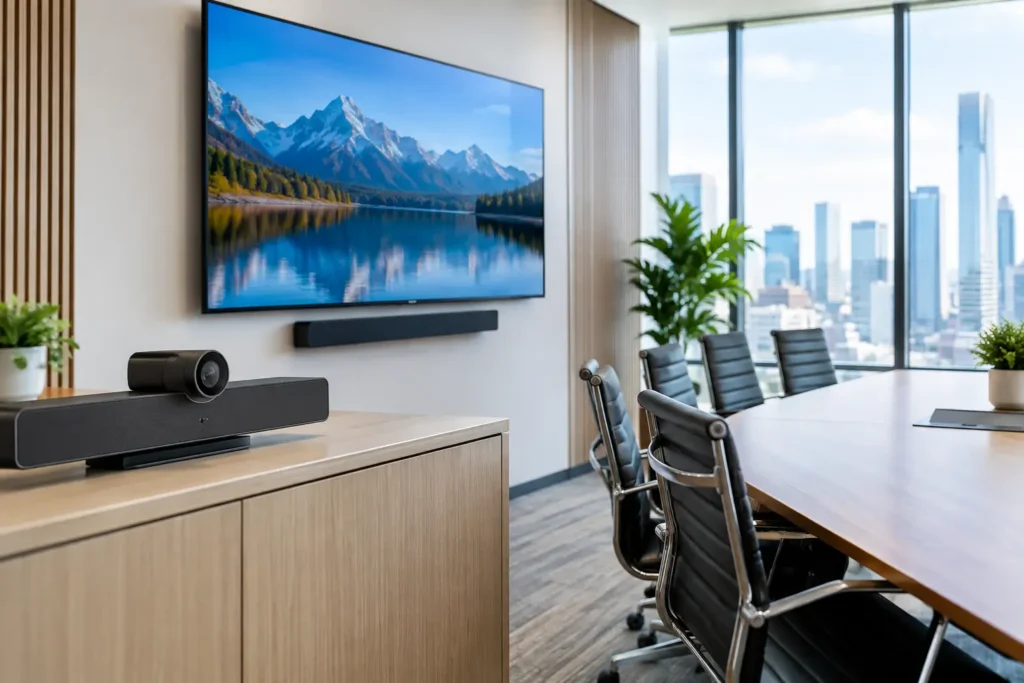
Commercial AV is not simply about purchasing screens, speakers, cameras, and control panels. It is the design, installation, programming, and support of technology that helps people communicate, present, entertain, collaborate, and manage a space with confidence. When every component is selected in isolation, daily operation becomes harder. When the system is designed around real users and real workflows, control becomes clear, reliable, and practical.
How Commercial AV Integration Improves Modern Workspaces
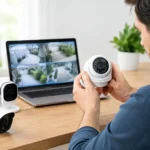
The right AV system begins with purpose, not equipment. An executive meeting room may need video conferencing, wireless presentation, room scheduling, and privacy controls. A restaurant may need separate audio zones for dining, outdoor seating, and private events. A retail store may need digital signage that can be updated centrally, together with background music and CCTV monitoring.
Before selecting technology, define what should happen in each space. Consider who will use the room, what they need to do, and how often the room layout or content may change. It also helps to identify the moments that cannot fail: a daily leadership call, a hotel event presentation, an emergency announcement, or a live sports broadcast.
A site consultation should examine more than floor plans. Ceiling heights, daylight, acoustic surfaces, furniture layouts, network availability, electrical capacity, and access for maintenance all affect the result. A large display may look impressive, for example, but it will not solve glare from a wall of windows. High-quality speakers will still under perform in a highly reflective dining room without appropriate acoustic planning.
What Commercial AV Integration Includes
A commercial AV installation can be as focused as a single training room or as comprehensive as a connected hotel, office floor, restaurant, or retail portfolio. The precise scope depends on the property, but most integrated systems bring together several essential functions.
Video, Presentation, and Collaboration
Displays, LED video walls, projectors, and meeting-room cameras give teams and guests a clear visual experience. In offices, the priority is often fast, dependable collaboration. Users should be able to start a meeting, share content, and join a video call without searching for cables or adjusting multiple settings.
For hospitality and retail environments, visual technology may support branding, guest communication, menu displays, way finding, promotions, or entertainment. The content strategy matters as much as the screen itself. A display that is difficult to update quickly becomes a missed opportunity.
Audio That Matches the Space
Audio design is frequently underestimated. Speech needs clarity in conference rooms, training spaces, and event venues. Restaurants and lounges need consistent coverage without music becoming intrusive. Hotels often need discreet, zoned audio across public areas, meeting rooms, and outdoor spaces.
Speaker placement, amplifier capacity, source selection, and acoustic conditions should be considered together. More volume is not the same as better audio. A properly designed system delivers even coverage at an appropriate level, allowing guests and staff to communicate comfortably.
Control, Automation, and Security
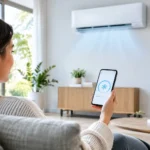
The strongest commercial systems reduce the number of steps required to operate a room. A touchscreen, wall keypad, centralized app, or programmed schedule can control displays, projectors, audio, lighting, shades, and climate settings from one interface.
This is where AV integration can extend beyond audiovisual equipment. In a presentation room, selecting “Meeting” can power on the display, set the correct input, lower motorized shades, adjust lighting, and prepare the room for video conferencing. In a hospitality venue, scheduled controls can support opening and closing routines while keeping access, surveillance, and environmental systems aligned with operational needs.
The goal is not to automate every possible action. It is to remove repetitive tasks while maintaining straightforward manual control when staff need it.
Build the System Around Daily Operations
A well-specified system reflects how the property is actually managed. That means involving the people who will use it every day, including reception teams, IT managers, facilities staff, event coordinators, restaurant managers, and security personnel.
Ask practical questions early. Who is permitted to change audio zones or display content? Does the space host external visitors who need a simple guest mode? Will the IT team manage network credentials and video conferencing accounts? Is there a defined procedure for a staff member when a room does not respond as expected?
For a single meeting room, these questions may be answered quickly. For a hotel, multi-tenant office, or large retail site, they shape the architecture of the entire solution. User permissions, centralized monitoring, remote support, and consistent controls can save substantial time across multiple areas.
Scalability matters too. A system should support the property you have now without blocking future expansion. That may mean allowing capacity for additional meeting rooms, new audio zones, more cameras, or a future building-management connection. It does not always mean installing every possible feature on day one. A phased approach can be the better investment when construction schedules, budgets, or operating priorities require it.
Plan the Infrastructure Before Finishes Are Complete
The most expensive AV decisions are often the ones made late. Once ceilings are closed, joinery is installed, and walls are finished, adding cabling, speakers, control wiring, or equipment ventilation becomes more disruptive and costly.
Early coordination with architects, interior designers, MEP consultants, IT teams, and contractors helps protect both performance and aesthetics. Equipment racks need a secure, ventilated location. Displays need proper structural support and viewing angles. Ceiling microphones and speakers need to coexist with lights, sprinklers, and air-conditioning grilles. Networked devices need reliable connectivity and appropriate segmentation.
Wired and wireless technologies both have a place. Wired connections are typically preferred for fixed displays, critical video conferencing equipment, speakers, and control infrastructure because they offer predictable performance. Wireless presentation and control can improve flexibility, particularly in collaborative spaces, but should be designed with network capacity, security, and user behavior in mind.
A professional integrator will document cable routes, equipment locations, control logic, network requirements, and future allowances before installation begins. This documentation is not paperwork for its own sake. It gives the project team a clear reference during construction and makes future maintenance easier.
Choose Reliability Over Feature Overload
Commercial properties need technology that staff can operate under pressure. An impressive feature list has limited value if the system requires specialist knowledge for simple tasks such as switching sources, adjusting volume, or joining a call.
The best balance depends on the environment. A premium boardroom may justify advanced camera tracking, multiple display layouts, and integrated room booking. A small office huddle room may need only a high-quality display, camera, microphone, and one-touch conferencing control. A restaurant may benefit more from dependable audio zoning and easy playlist management than from a complex visual system.
Focus on components with proven compatibility and support. Integration is where quality becomes visible: devices should communicate predictably, controls should respond consistently, and the interface should use plain-language commands. Consider serviceability as well. Equipment should be accessible for updates, replacements, and diagnostics without disturbing guests or interrupting operations.
Test, Train, and Support the System After Installation
Installation is not the finish line. Every input, display, speaker zone, microphone, camera, control command, automation routine, and network connection should be tested before handover. This includes testing the system in realistic conditions, not only when the room is empty and quiet.
User training should be tailored to each role. A general user may need a short demonstration of room controls. Facilities teams need to understand basic checks and escalation procedures. Administrators may need access to scheduling, permissions, content management, or system monitoring.
At Esmartech, this process is managed from consultation and system design through clean installation, programming, testing, and user guidance at handover. A single accountable integration partner helps prevent the gaps that often appear when audiovisual, automation, network, and security elements are handled separately.
Questions to Ask Before Approving an AV Proposal
A strong proposal should explain more than brands and model numbers. It should show how the system supports your space, users, and operating plan. Before approving it, confirm the intended user journey for common tasks, the scope of network and electrical requirements, and who is responsible for coordination with other trades.
Also ask how the system will be supported after handover, whether equipment can be expanded later, and what happens if a key component fails. For venues that operate long hours, response time and access to remote diagnostics can be as valuable as the equipment specification.
The right commercial AV system should feel almost invisible when it is working well. People should be able to present, meet, entertain, and manage the environment without technology becoming the focus. Start with the experience your staff and guests deserve, then build the system that makes that experience easier to deliver every day.

Leave a comment