

A well-planned property technology budget should not begin with a list of devices. It should begin with the way the property needs to operate. A villa owner may prioritize perimeter security, climate control, and elegant lighting scenes. A hotel operator may need room access, energy management, and centralized monitoring. An office may place access control, meeting-room control, and network reliability first.
The right investment creates one intelligent system that feels simple to use every day. The wrong investment can leave a property with impressive-looking equipment, multiple unrelated apps, and expensive changes when requirements grow. The difference is planning the infrastructure, controls, and support around the property before selecting individual products.
Start the Property Technology Budget With Outcomes
Technology should solve specific operational or lifestyle needs. Before assigning numbers, define the outcomes that matter most to the people who will live, work, or stay in the property.
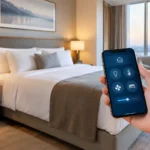
For a residence, this could mean arriving to a cooled home, adjusting lights and curtains from one app, checking CCTV remotely, or setting scenes for entertaining. In a commercial or hospitality setting, it may mean reducing energy waste in unoccupied spaces, managing access by staff role, responding quickly to security events, and giving guests an intuitive experience.
This step prevents a common budget mistake: paying for automation in rooms or systems that do not need it while underfunding areas that affect security, comfort, or daily operations. A cinema room may justify advanced audio and lighting control. A rarely used storage room may only need a dependable sensor and switch.
It also helps separate essential scope from optional upgrades. Essential scope usually includes the systems that protect the property, support daily routines, or are difficult to retrofit later. Optional scope can be phased as needs and budgets evolve.
Account for the Property’s Stage
A new build, renovation, and occupied property require different spending strategies. The same smart-home experience can cost significantly more when installed after walls, ceilings, and finishes are complete.
New Construction and Major Renovations
During construction, the most valuable part of the budget is often not the visible touchscreen or smart switch. It is the underlying infrastructure. Structured cabling, equipment locations, power planning, conduit routes, network coverage, and allowances for future sensors or controls should be coordinated early with the electrical, MEP, interior, and fit-out teams.
A wired system can be an excellent long-term choice for large villas, penthouses, hotels, and offices because it offers dependable communication and keeps the design clean. It also needs early coordination. Installing cable before finishes are complete is generally more efficient and less disruptive than opening completed walls later.
Existing Homes and Operating Properties
For completed properties, wireless solutions can provide substantial control without extensive construction work. They are often well suited to apartments, finished villas, retail spaces, and phased upgrades. However, wireless does not mean planning can be skipped. Signal coverage, device placement, network quality, power availability, and integration with existing systems still need professional assessment.
The best architecture depends on the property size, construction method, reliability expectations, and future plans. Many projects use a considered combination of wired and wireless technologies rather than treating either approach as universally better.
Divide Spending Between Infrastructure and Experience
A premium result is built from several connected layers. Treating only the visible controls as the budget can create gaps in performance later.
First, allow for infrastructure: cabling where required, electrical provisions, network equipment, Wi-Fi coverage, racks, enclosures, and backup power where appropriate. Second, budget for the controlled systems themselves, such as lighting circuits, curtain motors, AC interfaces, smart locks, CCTV cameras, intercoms, speakers, and sensors.
Third, account for the control layer that brings these systems together. This can include processors, gateways, keypads, touch panels, app configuration, voice control, and programmed scenes. Finally, include professional design, installation, testing, commissioning, user training, and support.
Skipping the final layer is a false economy. A system is not finished when devices are mounted. It is finished when every intended function has been tested, automations behave correctly, users understand the controls, and the property team knows who to call for support.
Prioritize Systems That Are Expensive to Add Later
When the budget has limits, protect the parts of the project that become disruptive or costly once finishes are complete. In most properties, these include electrical and data infrastructure, motorized curtain provisions, ceiling speaker wiring, camera cabling, intercom pathways, and properly planned equipment space.
You can often add certain devices later, such as additional keypads, selected smart locks, decorative control interfaces, or extra audio zones. But adding cable routes through a completed marble wall or a detailed ceiling may involve avoidable expense and compromise the interior finish.
For developers and investors, this distinction is particularly important. A property that is technology-ready has greater flexibility for future buyers, tenants, or operators. It can adapt to changing expectations without a full renovation.
Build the Budget Around Daily Value
Not every feature delivers equal value. A practical approach is to rank rooms and systems by frequency of use, operational impact, and risk.
Security and access control often sit at the top of the list because they protect people, assets, and privacy. CCTV, video intercoms, smart locks, gate control, and access permissions should be designed as a coordinated security experience, not as isolated products.
Climate control is another high-value category in the UAE. Intelligent AC control can improve comfort room by room and reduce unnecessary operation in vacant areas. The savings depend on the property’s occupancy pattern, HVAC equipment, insulation, and user behavior, so projections should be realistic rather than promised as a fixed outcome.
Lighting control and motorized curtains bring both convenience and atmosphere. A single scene can prepare a living area for dinner, relaxation, or entertaining while reducing the need to operate multiple switches. In hotels, restaurants, and retail spaces, lighting scenes also support brand presentation and staff efficiency.
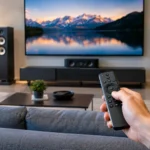
Entertainment, advanced audio, and specialty features can add significant enjoyment and property appeal. Their priority depends on the owner’s lifestyle and the role of the space. A dedicated media room deserves a different allocation than a guest bedroom used a few times each year.
Leave Room for Scalability, Not Unused Complexity
Future-ready does not mean purchasing every possible feature on day one. It means selecting a system architecture that can expand without forcing a replacement of the core platform.
Ask whether the proposed system can accommodate additional rooms, security devices, audio zones, access users, and integrations later. Confirm that the network and equipment space have capacity for sensible growth. If a future pool area, annex, rental unit, or additional office floor is likely, include that possibility in the design now.
At the same time, avoid paying for complexity that nobody will use. A home should not require staff training to turn on a light. A hotel should not depend on several disconnected dashboards to manage basic room functions. The best technology reduces friction for users while giving owners and managers appropriate control in the background.
Request a Clear, Comparable Proposal
A strong quotation should explain what is included, what is excluded, and how the system will be delivered. Low initial figures can be misleading if programming, network equipment, installation materials, site visits, commissioning, or aftercare are treated as later additions.
When comparing proposals, look beyond device quantities. Check the control method, system architecture, integration scope, warranty terms, expected installation sequence, and support responsibilities. A quote for “smart lighting” may range from basic app-controlled bulbs to professionally programmed lighting control integrated with curtains, climate, and security. They are not equivalent solutions.
It is also wise to ask how the installer will coordinate with other contractors. Automation affects electrical work, ceiling layouts, joinery, HVAC interfaces, door hardware, Wi-Fi, and interior design. Clear coordination protects both the budget and the finish quality.
Esmartech approaches this through a defined process: site consultation, clear quotation and system design, professional installation and testing, then handover with user guidance. This creates a single accountable point of contact rather than leaving the owner to coordinate separate suppliers.
Include Ownership Costs After Handover
The purchase and installation cost is only one part of technology ownership. Allow for periodic maintenance, battery replacement for relevant devices, software or platform updates where applicable, network upkeep, and support if the property changes hands or staff changes.
For commercial and hospitality properties, operational continuity deserves specific attention. Documented system settings, user permissions, staff training, and responsive technical support are part of protecting the original investment. A feature-rich system has little value if nobody can confidently manage it after handover.
For homeowners, the goal is simpler: controls should remain intuitive after the installation team leaves. The app, keypads, voice commands, and automated scenes should match real routines, not force the household to adopt complicated new habits.
A property technology budget works best when it funds a carefully designed foundation first and adds visible features with purpose. Plan for the way the property will be used five years from now, but make sure the system feels valuable the moment you walk through the door.



Leave a comment