
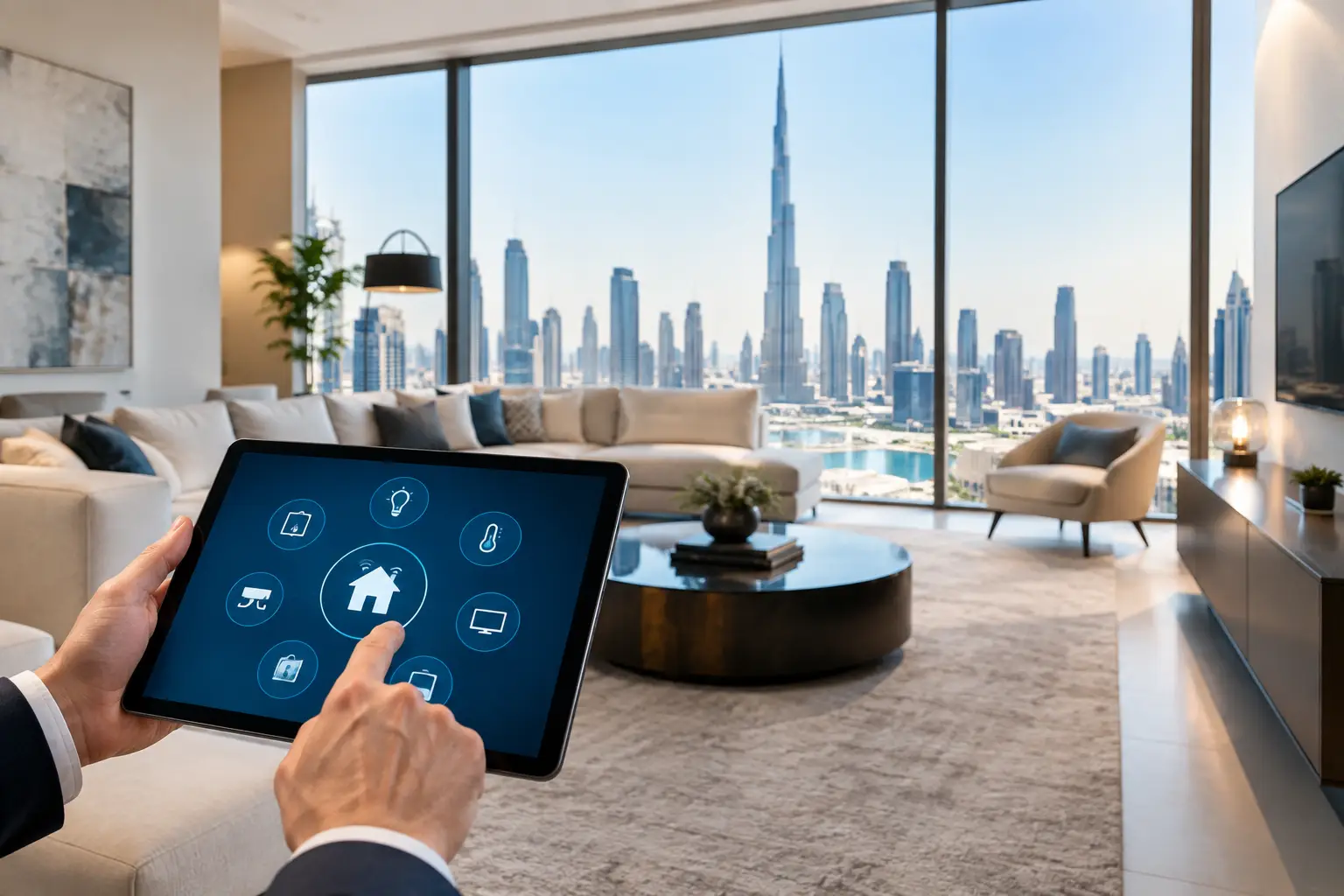
A villa buyer arrives for a viewing, and the curtains rise, the lighting adjusts, and the air conditioning is already set to a comfortable temperature. That experience makes an immediate impression, but can smart homes increase value in a way that holds up beyond the viewing? For premium properties, the answer is often yes – when automation is thoughtfully designed, professionally installed, and genuinely useful to the next owner or tenant.
Technology alone does not create a higher valuation. A property filled with disconnected gadgets, difficult controls, or unsupported equipment can create hesitation rather than demand. The value comes from one intelligent system that improves daily living, supports security, manages energy use, and presents the property as ready for modern ownership.
How Smart Homes Can Increase Value
Smart-home technology can strengthen a property’s market position because it changes both perception and performance. Buyers of luxury villas, penthouses, and high-spec apartments increasingly expect convenient control over lighting, climate, security, and entertainment. When those systems work together, the home feels more considered and complete.
In Dubai’s competitive residential market, this distinction can matter. Two comparable homes may have similar layouts, finishes, and locations, yet the one that offers integrated control, remote access, and a polished handover experience may be easier to market. Automation gives prospective buyers something they can see, test, and imagine using from the first visit.
There is also a practical benefit. A properly configured system can reduce unnecessary cooling and lighting use, alert owners to unusual activity, and allow the property to be monitored while vacant. These are operational advantages, not just lifestyle extras. For investors and second-home owners, that can make a smart property more attractive than a conventional one.
Still, increased value is not automatic. Market demand, property location, design quality, and installation standard remain central to price. Smart technology works best as part of a premium overall proposition, rather than as a substitute for poor finishes or unresolved maintenance issues.
The Features Buyers and Tenants Notice Most
The most valuable features are usually the ones that remove routine friction without requiring technical knowledge. A centralized app, elegant wall keypads, and voice control can bring multiple systems into a simple, intuitive experience.
Lighting and curtain control
Smart lighting is among the most visible upgrades because it changes the atmosphere of a space immediately. Scene settings can create a welcoming arrival, a relaxed evening setting, or bright task lighting with one command. Automated curtains and blinds add privacy, solar control, and a refined finish, particularly in rooms with large glazing.
The key is to keep controls natural. A homeowner should still be able to switch on a light at the wall, while having the option to control rooms, scenes, and schedules from a phone or centralized interface. Technology should make the home easier to use, not force every guest to learn an app.
Climate and energy management
In a high-cooling environment, intelligent climate control has clear appeal. Smart thermostats, occupancy sensors, schedules, and remote adjustment can help prevent air conditioning from running unnecessarily in unused rooms. Curtains can also be scheduled around sunlight exposure to support comfort and reduce heat gain.
Energy savings will vary by property size, occupancy patterns, equipment condition, and user behavior. It is better to describe the system as a tool for better control than to promise a fixed percentage reduction. Buyers appreciate realistic operating benefits backed by a well-designed installation.
Security, access, and peace of mind
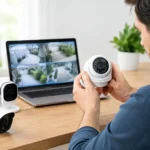
Integrated CCTV, smart locks, video intercoms, access control, and sensors are particularly relevant for villas, vacation homes, and properties that may be unoccupied for part of the year. Owners can check entry events, receive alerts, speak with visitors, and manage access without handing out physical keys to every service provider.
Security value depends on reliability and privacy. Cameras need sensible placement, access permissions should be properly configured, and the homeowner must understand who can view or control the system. Professional commissioning matters because a security system that produces false alerts or confusing notifications quickly loses its appeal.
Audio and entertainment
Multi-room audio, concealed speakers, and integrated entertainment controls can elevate a luxury home when they are tailored to the room design. These features are especially effective in living areas, outdoor spaces, majlis rooms, and entertainment lounges.
However, entertainment technology is more personal than lighting or climate control. A buyer may not value a specific television model or audio preference at the same level as an integrated security and comfort system. Installing flexible infrastructure and a platform that can accommodate future equipment is often the more durable investment.
What Makes an Installation Add Value Rather Than Complexity
The difference between a premium smart home and a collection of gadgets is system design. Every device should have a clear purpose, a reliable connection, and an understandable control method. For new construction or major renovation, wired infrastructure can provide stability and allow a comprehensive whole-property solution. For occupied homes and smaller upgrades, high-quality wireless options may be the right fit when installed with proper network planning.
Scalability is equally important. A buyer should be able to add a camera, extend automation to an outdoor area, or integrate new devices without replacing the core system. Closed or poorly documented installations can limit future choices and may reduce buyer confidence.
A clean technical handover also protects value. This should include user guidance, system credentials managed correctly, clear labeling where appropriate, and support arrangements for future adjustments. Homeowners do not need to understand every technical detail, but they should know how to operate essential scenes, climate settings, security functions, and access controls from day one.
Can Smart Homes Increase Value at Every Price Point?
Not every property needs the same level of automation. A compact apartment may benefit most from smart locks, climate control, video intercom access, and lighting scenes. A large villa may justify a more extensive system that coordinates many zones, gates, CCTV, curtains, audio, pool-area lighting, and guest access.
The investment should match the property’s category and likely buyer profile. Over-specifying technology for a modest rental unit can make financial sense only when it supports stronger occupancy, tenant retention, or better management. Under-specifying a luxury villa can leave it feeling behind comparable homes that offer integrated security, climate, and lifestyle control.
Developers should also consider consistency. If multiple units are offered with different platforms, inconsistent control experiences can complicate maintenance and resident support. A standardized, scalable approach can improve efficiency while still allowing premium upgrades for selected residences.
A Better Way to Plan for Resale and Long-Term Use
Start with the property’s daily routines rather than a product list. Consider how residents enter the home, how rooms are used, which spaces need privacy, and where energy is most often wasted. Then define the functions that will matter to future occupants: simple lighting scenes, dependable climate control, secure access, remote monitoring, and a system that remains easy to expand.
It is also worth planning for the people who will use the property before and after a sale. Family members, guests, domestic staff, tenants, and facilities teams may require different access levels. Good automation design accounts for those practical realities while keeping control straightforward.
Esmartech approaches this through consultation, clear system design and quotation, careful installation and testing, followed by guidance at handover. That process helps ensure the technology supports the property’s design, budget, and operating needs instead of becoming an afterthought.
A smart home is most valuable when the intelligence feels almost invisible: the property is comfortable before the owner arrives, secure when it is empty, and simple to manage every day. Choose the features future occupants will actually use, and the investment can strengthen both the experience of living there and the confidence of buying it.

Leave a comment