

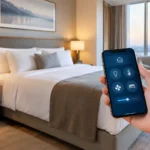
A villa owner may want lights, curtains, climate, security cameras, and entertainment controlled from one app. A hotel operator may need room controls, access management, and energy-saving schedules across hundreds of spaces. In both cases, automation costs are not defined by a single device price. They reflect the scope, infrastructure, design work, installation quality, programming, and support required to create one intelligent system that works reliably every day.
The right question is not simply, “How much does smart automation cost?” It is, “What should the system do for this property now, and how should it grow over time?” A clear answer protects the budget while ensuring the finished space feels considered, secure, and effortless to operate.
What Determines Automation Costs?
Smart automation is a tailored property system, not an off-the-shelf purchase. Two apartments with the same number of rooms can require very different budgets based on the technologies selected, existing wiring, finish level, and desired control experience.
For a residence, the largest cost drivers are usually the number of zones and devices. Lighting control may include individual circuits, dimmers, scene keypads, decorative lighting, and exterior areas. Climate control depends on whether the property uses split AC units, VRF, chilled water, or another system, as well as how many rooms need independent temperature management. Motorized curtains, smart locks, CCTV, intercoms, multi-room audio, and home cinema all add their own hardware and installation requirements.
Commercial and hospitality projects add another layer. Centralized control for meeting rooms, guest rooms, common areas, back-of-house spaces, and access points must be designed around how staff and guests actually use the building. A system that reduces unnecessary cooling in unoccupied rooms or gives management clearer oversight can deliver operational value, but it also calls for careful planning and professional programming.
Wired, Wireless, or a Hybrid System
Architecture has a major effect on cost. Wired automation is often the preferred option for new villas, major renovations, hotels, and commercial fit-outs because it provides a stable foundation for larger, long-term systems. It requires early coordination with electrical, interior design, MEP, and construction teams, so it is generally more economical to plan before ceilings and walls are finished.
Wireless automation can be an excellent option for completed apartments, occupied homes, or projects where opening walls is not practical. It can reduce civil work and allow selected upgrades to be installed quickly. However, wireless does not automatically mean lower cost. Premium wireless devices, network planning, and the complexity of integrating existing equipment all matter.
Many properties benefit from a hybrid approach. Core services such as lighting, climate, and security can use a wired backbone, while wireless controls extend automation to areas that may change later. The appropriate choice depends on the building condition, the expected level of use, and the client’s plans for the property.
Automation Costs by Project Scope
A useful way to plan is to think in levels of outcome rather than chasing an arbitrary price per square foot. Every project should begin with the spaces and experiences that matter most.
Essential Smart Control
An entry-level system may focus on a small number of high-impact functions: app-controlled lighting, smart locks, video intercom, selected AC controls, and basic security monitoring. This approach suits apartments, rental properties, or homeowners who want immediate convenience without changing every room.
The budget is influenced by device selection and how well the controls are integrated. A collection of separate apps can appear inexpensive at first, yet it often creates confusion at handover. A professionally designed system brings key functions into a clear, simple interface and can provide wall controls and voice control where appropriate.
Whole-Home or Villa Automation
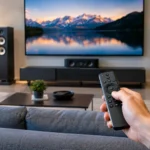
For villas and penthouses, the scope often includes scene-based lighting, motorized curtains, climate zones, CCTV, gate and door access, intercoms, audio, entertainment, garden lighting, and remote control. The cost rises with the number of rooms, lighting circuits, curtain tracks, access points, and custom requirements.
This is also where design quality becomes especially visible. A “Welcome Home” scene might open the gate, switch on selected pathway lights, set the preferred temperature, and raise living room curtains. A “Goodnight” command can secure access points, turn off unnecessary lights, lower shades, and adjust the AC. These outcomes require more than devices. They require thoughtful programming, testing, and a control strategy that feels natural for everyone in the home.
Commercial and Hospitality Automation
For offices, restaurants, retail spaces, and hotels, automation costs should be assessed against daily operations. Occupancy sensors, scheduled lighting, centralized climate control, access reporting, and audiovisual controls can reduce manual tasks and improve consistency across the property.
A hotel may prioritize guest-room comfort and energy management. A restaurant may focus on lighting scenes that change from daytime service to evening ambiance, alongside music and climate control. An office may place greater value on meeting-room controls, security, and reducing energy use after working hours. The equipment may be similar, but the programming and operational goals are different.
The Costs That Are Easy to Miss
Comparing quotations only by the number of devices can lead to disappointing results. Hardware is only one part of a complete automation project. Site assessment, electrical coordination, panel assembly, cabling, network readiness, device installation, programming, testing, documentation, user training, and aftercare all affect the real investment.
Network design deserves particular attention. Smart systems rely on reliable communications, especially where remote access, CCTV viewing, streaming, voice control, or multiple users are involved. Weak Wi-Fi coverage or poorly planned network equipment can make even high-quality automation appear unreliable. Addressing this early is more cost-effective than troubleshooting after the property is occupied.
Integration also matters. A smart lock, camera, thermostat, and curtain motor may each work independently, but the value of automation comes from coordinated operation. Proper integration allows the property to respond to a single command, schedule, sensor event, or access action. This requires compatible technology and skilled programming.
Finally, consider the handover experience. Residents, household staff, facilities teams, and hotel personnel need to understand what the system does and how to use it confidently. Clear guidance reduces support calls and helps the property realize the value of its investment from the first day.
How to Control Automation Costs Without Reducing Quality
The most effective way to manage the budget is to prioritize infrastructure and core functions before adding decorative or convenience features. In a new build, preparing cabling, panel space, conduits, and network locations can make future expansion far easier. It is usually less expensive to plan for motorized curtains or additional lighting zones during construction than to retrofit them later.
Start with the rooms and functions used most often. For many homeowners, this means the entrance, living spaces, master suite, exterior areas, climate control, and security. For commercial properties, it may mean reception, meeting rooms, high-traffic areas, and management access. A phased installation can then add secondary rooms, audio zones, or advanced energy controls when the time is right.
Avoid selecting products solely because they have the lowest initial price. Lower-cost devices can be suitable for limited applications, but they may not offer the reliability, compatibility, finish quality, or support expected in a premium property. A better approach is to choose established technology suited to the project, then define a scope that fits the available budget.
A Clear Process Creates Better Value
A professional automation partner should make costs understandable before work begins. At Esmartech, the process starts with a site consultation to understand the property, lifestyle requirements, operational needs, and existing infrastructure. This is followed by a clear quotation and system design so the client can see what is included and why.
Installation is coordinated carefully to protect finishes and maintain a clean site. The system is then programmed and tested across every agreed function, from lighting scenes and climate schedules to access control and remote monitoring. At handover, users receive practical guidance so the technology supports daily life rather than adding another layer of complexity.
The best automation investment is not necessarily the largest one. It is the system that gives the property the right level of comfort, control, security, and future flexibility – designed around how the space will actually be lived in or operated.



Leave a comment