
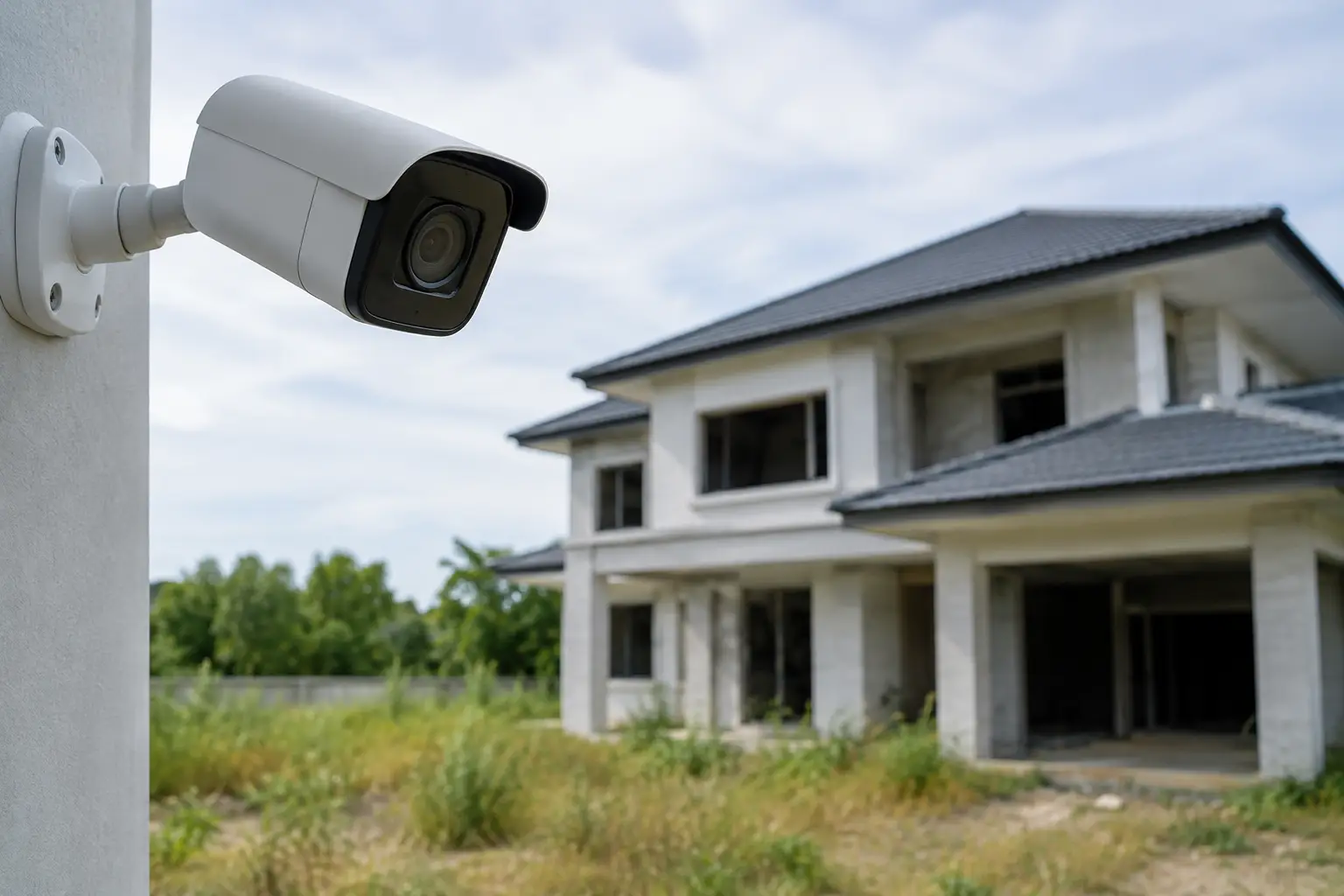
A vacant villa does not need to look abandoned for long before it becomes a target. An uncollected package, a dark entrance, an open side gate, or unfamiliar activity near a service door can signal opportunity to intruders. So, can CCTV protect vacant properties? Yes, when it is designed as an active security system rather than a camera recording footage that no one checks until after an incident.
For property investors, homeowners traveling for extended periods, and managers responsible for unoccupied offices, retail units, or hospitality spaces, the goal is simple: make the property difficult to approach unnoticed and easy to manage from anywhere. The right CCTV installation provides visibility, documented evidence, and alerts that help you act quickly when something needs attention.
How CCTV Protects a Vacant Property
CCTV cannot physically stop a determined intruder. Its value comes from discouraging opportunistic behavior, revealing risks early, and supporting a faster response. Visible, professionally installed cameras tell visitors that entry points and the perimeter are being watched. For many would-be trespassers, that is enough reason to move on.
The stronger benefit is remote awareness. Modern IP cameras can send motion alerts to a phone or centralized control app, allowing the owner or designated manager to view a live feed immediately. Instead of hearing about a broken window days later, you can verify activity at the moment it occurs and decide whether it requires a call to security, a trusted neighbor, building management, or local authorities.
High-quality footage is also valuable after an event. Clear video can help identify the time, direction of travel, vehicle details, and individuals involved. This can support insurance documentation and any subsequent investigation, provided cameras are positioned correctly and recordings are retained securely.
Where Cameras Make the Biggest Difference
Vacant-property protection is not about placing cameras randomly around the exterior. Coverage should follow how a person could enter, move through, and leave the site. A site assessment is especially useful for large villas, buildings with multiple access points, and commercial properties with loading areas or shared parking.
Cover approaches, not just doors
The main gate and front entrance matter, but they are not always where unauthorized access happens. Side passages, rear gates, service entrances, boundary walls, parking areas, and rooftop access may deserve equal attention. A camera watching the approach to an entrance can capture a person before they reach the door or attempt to interfere with another device.
At night, camera performance depends on more than advertised resolution. Poor lighting, glare from exterior fixtures, reflective surfaces, and wide angles can reduce useful image detail. Cameras with suitable low-light capability, infrared coverage, and properly planned lighting produce more reliable footage than a high-resolution camera installed in the wrong place.
Watch the areas that indicate property condition
Vacant properties face risks beyond intrusion. Water leaks, open doors, maintenance visits, unauthorized contractor access, and outdoor equipment tampering can all create expensive problems. Cameras focused on utility areas, pool equipment, generators, storage rooms, and key interior corridors can help confirm that the space remains as it should be.
For indoor cameras, privacy needs to be considered carefully. Avoid placing cameras in bathrooms, changing areas, or other private spaces. If the property has staff access or is part of a managed building, communicate monitoring clearly and follow applicable privacy and data-protection requirements.
Cameras Work Better With Other Systems
A standalone CCTV system provides eyes on the property. An integrated system can help the property respond intelligently. This is particularly valuable when an owner is abroad or when a commercial site has no daily staff presence.
Motion detected at a side gate, for example, can trigger a notification and switch on exterior lighting. If a smart lock records an unsuccessful access attempt, a nearby camera can be checked at once. Door and window sensors can distinguish between routine outdoor movement and an actual opening at the building envelope.
A practical vacant-property setup may combine CCTV with access control, smart locks, motion sensors, door contacts, video intercom, and automated lighting. These systems do not all need to be installed at once. A scalable design lets you begin with the highest-risk areas, then add protection as the property’s use, budget, or operating requirements change.
Climate monitoring also matters in hot-weather markets such as Dubai. A vacant property can suffer from excessive heat, air-conditioning faults, or humidity before anyone notices. Integrating smart climate control and alerts gives owners a clearer picture of both security and property condition from one intelligent system.
What a Good CCTV System Needs
Not every camera system is suitable for an unoccupied property. Consumer-grade cameras may be convenient for a small apartment, but larger villas and commercial premises often need more deliberate design, dependable recording, and professional network configuration.
Look for cameras that provide clear images in the lighting conditions on site, secure remote viewing, and reliable motion detection that can distinguish people or vehicles from ordinary movement where appropriate. A system should record locally or to a secure network video recorder even if the internet connection is interrupted. Cloud access can be useful, but it should not be the only place footage exists.
Recording retention needs planning as well. A single camera at a quiet entrance may not require the same storage as a multi-camera property with constant activity around its perimeter. Retention periods should reflect the site’s risk level, insurer requirements, and how quickly an issue would realistically be discovered.
Cybersecurity is part of physical security. Default passwords, outdated firmware, poorly secured Wi-Fi, and unmanaged remote access can expose camera feeds or create weak points in the network. A professional installation should separate security devices appropriately, configure secure user access, and explain who has permission to view footage.
The Limits of CCTV for Vacant Properties
CCTV is highly effective, but it is not a substitute for basic property management. Cameras cannot repair a faulty lock, remove debris that suggests neglect, or guarantee immediate intervention if no one is responsible for responding to alerts.
False alerts are another trade-off. Trees, pets, traffic, landscaping crews, and changing light can create unnecessary notifications when detection zones are poorly configured. The answer is not to turn alerts off. It is to fine-tune camera angles, detection areas, and notification rules so meaningful events reach the right person without creating alert fatigue.
There is also the question of response. Before leaving a property vacant, decide who will receive alerts and what each person should do. A family member might verify an alert by live view, while a facilities manager may have authority to dispatch a security team or arrange a site visit. Clear roles turn monitoring into a working security process.
A Practical Plan Before You Leave a Property Empty
Start with a physical walk-through at the time of day when the property is likely to be most vulnerable. Check sightlines from gates and parking areas, identify dark zones, confirm every entry point locks correctly, and remove signs that the property is unoccupied. Mail, waste, unsecured ladders, and landscaping that has been left unattended can undermine even a strong camera system.
Then test the technology as an owner would use it. View live cameras on your phone using mobile data rather than only the local Wi-Fi. Trigger door contacts and motion alerts. Confirm that recordings play back clearly, dates and times are correct, and notifications reach the right contacts. If there is a power interruption or internet outage, understand exactly what continues to record and what requires restoration.
Finally, schedule periodic checks. A vacant property benefits from a trusted person physically inspecting it, even with excellent remote monitoring. Cameras can show what is happening, while an on-site visit can identify odors, moisture, pest activity, utility failures, or damage outside the camera’s field of view.
Professional Design Makes Monitoring Easier
The best CCTV installation is one that fits the property without making daily management complicated. For a luxury villa, that may mean discreet cameras, smart gate access, perimeter lighting, and one app for security and climate control. For an office or retail unit, it may mean role-based access, coverage of stock and delivery areas, and remote oversight for multiple decision-makers.
Esmartech designs tailored security and automation systems through consultation, clear system planning, installation, testing, and handover. The priority is not simply adding more cameras. It is creating coverage, alerts, and controls that work reliably for the way the property is actually used.
A vacant property should still feel managed. When cameras, access, lighting, and alerts are planned around real risks, owners can leave with greater confidence and return to a property that has remained visible, protected, and under control.

Leave a comment